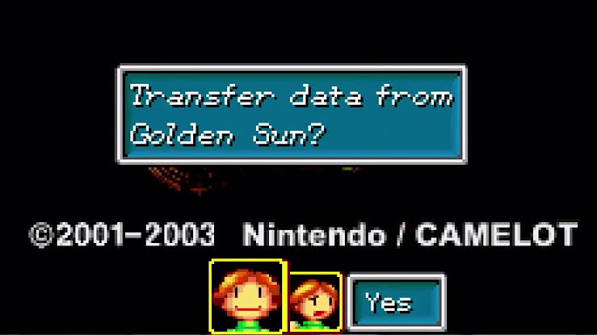
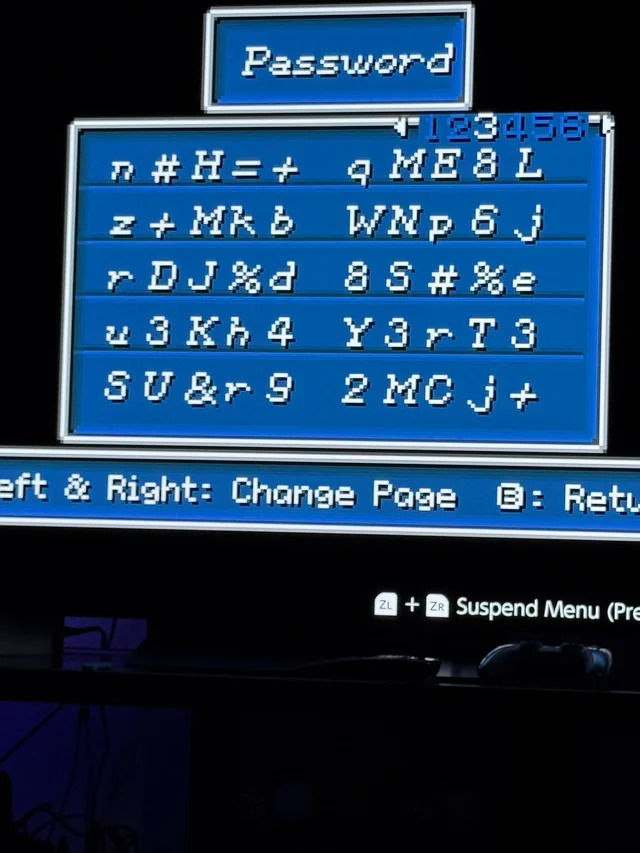
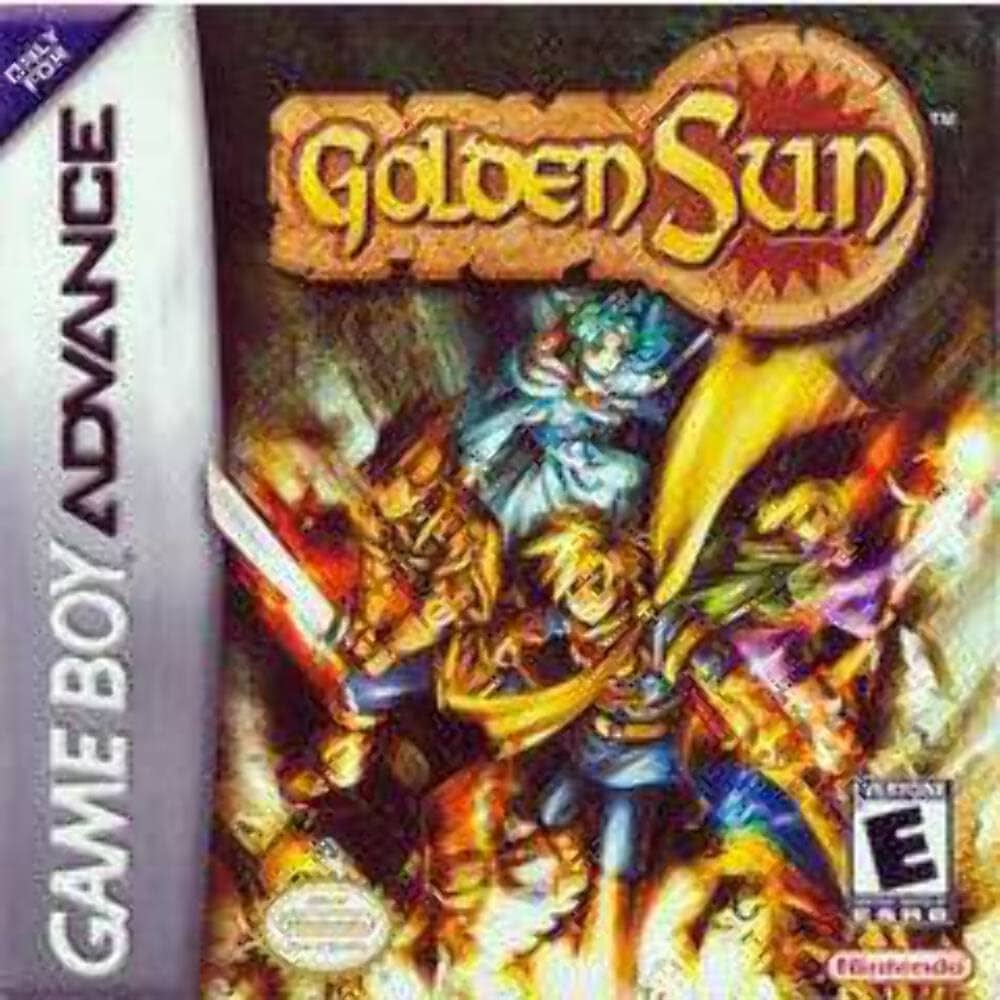
You could copy over your characters and items from Golden Sun to The Lost Age with a password. There are 3 tiers:
| Tier | Length | What moves |
|---|---|---|
| Bronze | 16 chars | Levels, Djinn, event flags, utility Psynergy items |
| Silver | 61 chars | Bronze data + character stats |
| Gold | 260 chars | Silver data + inventories and coins |
ABCDEFGHJKLMNPQRSTUVWXYZ23456789abcdefghijkmnpqrstuvwxyz!?#&$%+=.The per group checks locate typos, and the CRC validates the payload.
Codec details: Sol Cipher Make your own password
ALPHABET = "ABCDEFGHJKLMNPQRSTUVWXYZ23456789abcdefghijkmnpqrstuvwxyz!?#&$%+="
SIZES = {16: 11, 61: 41, 260: 175} # password chars -> bytes including CRC
def crc16(data):
crc = 0xFFFF
for byte in data:
crc ^= byte << 8
for _ in range(8):
crc = (((crc << 1) - 0x1021) if crc & 0x8000 else (crc << 1)) & 0xFFFF
return (~crc) & 0xFFFF
def encode(payload):
crc = crc16(payload)
raw = bytearray(payload + crc.to_bytes(2, "big"))
key = raw[-1]
raw[:-1] = bytes(b ^ key for b in raw[:-1])
bits = "".join(f"{b:08b}" for b in raw)
values = [int(bits[i:i + 6].ljust(6, "0"), 2) for i in range(0, len(bits), 6)]
checked = []
for i in range(0, len(values), 9):
group = values[i:i + 9]
checked.extend(group)
if len(group) == 9:
checked.append(sum(group) & 63)
return "".join(ALPHABET[(v + i) & 63] for i, v in enumerate(checked))
def decode(password):
chars = [ALPHABET.index(c) for c in password if not c.isspace()]
byte_count = SIZES[len(chars)]
values = [(v - i) & 63 for i, v in enumerate(chars)]
data6 = []
for i in range(0, len(values), 10):
group = values[i:i + 10]
body = group[:9]
if len(group) == 10 and group[9] != (sum(body) & 63):
raise ValueError(f"bad group {i // 10 + 1}")
data6.extend(body)
bits = "".join(f"{v:06b}" for v in data6)[:byte_count * 8]
raw = bytearray(int(bits[i:i + 8], 2) for i in range(0, len(bits), 8))
key = raw[-1]
raw[:-1] = bytes(b ^ key for b in raw[:-1])
payload, stored_crc = raw[:-2], int.from_bytes(raw[-2:], "big")
if crc16(payload) != stored_crc:
raise ValueError("bad CRC")
return bytes(payload)
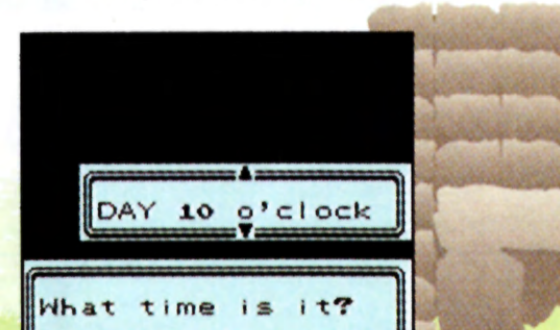
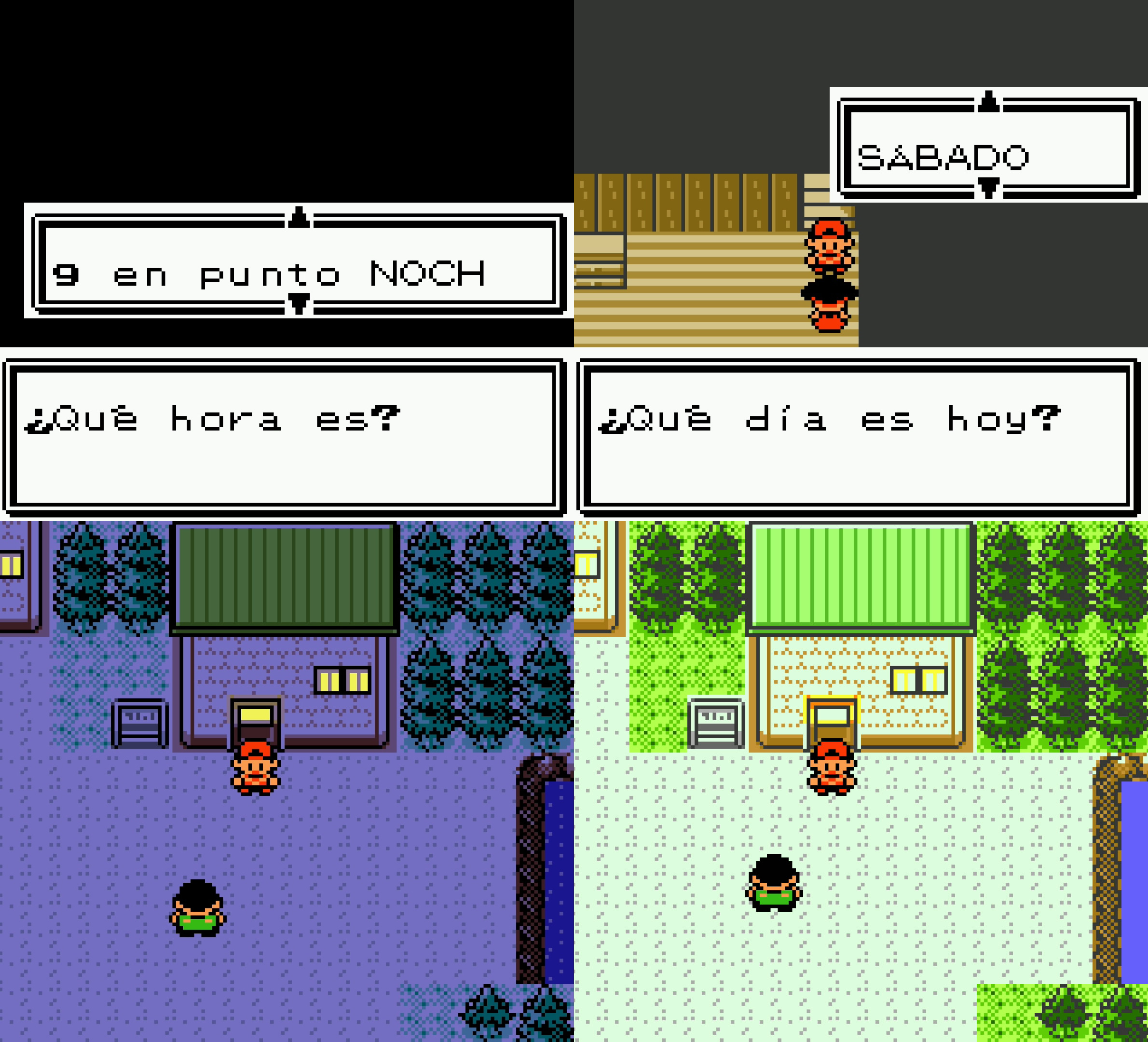
(Setting the time at the start of the game)
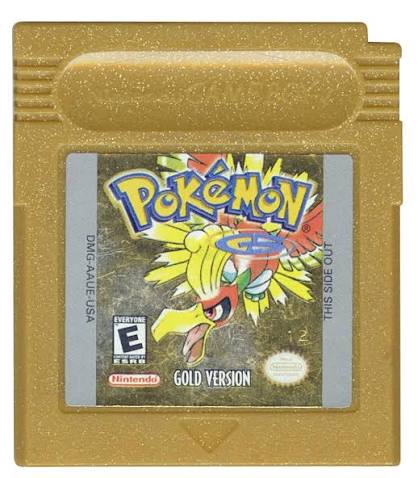
The Game Boy itself had no clock, so Pokémon Gold and Silver came with a clock. It kept running while the handheld was off even. Also it skewed quite a lot time wise since it wasn’t synced with NTP.
Some Pokémon appeared at particular times, events depended on the day, and friendship evolutions could differ between day and night. Also your mom annoyed you at certain times and wasted your money.
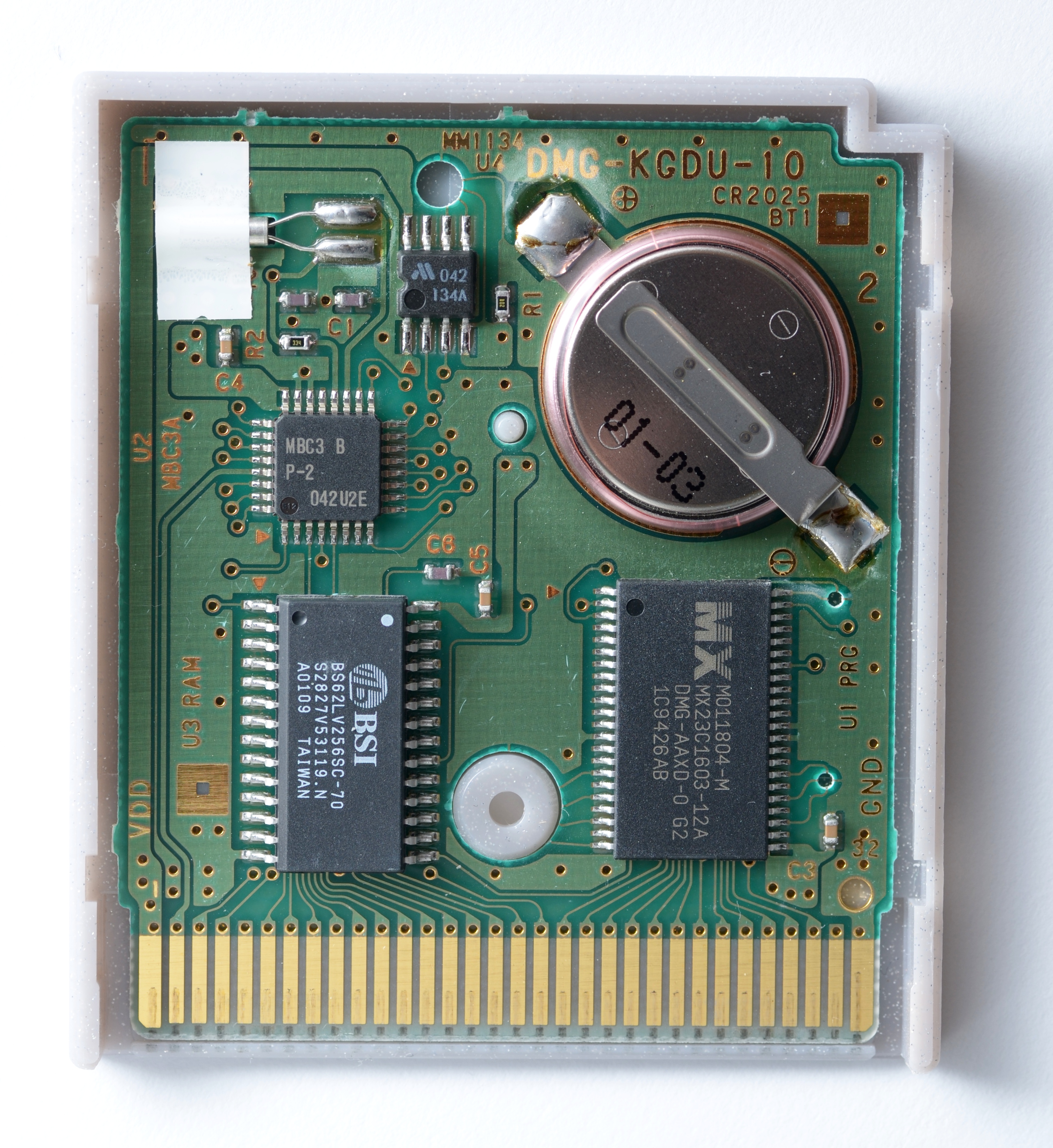
The MBC3 controller provides the clock with a coin cell to keep the cartridge’s clock and battery-backed save memory alive. However these only lasted about 5-10 years or so, after which the game would lose its disk storage, and the time would stock working until the battery was replaced.
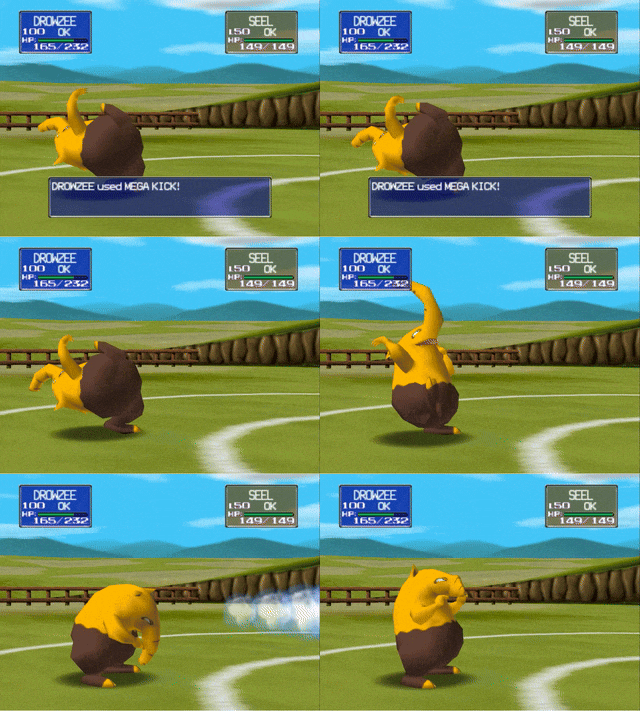
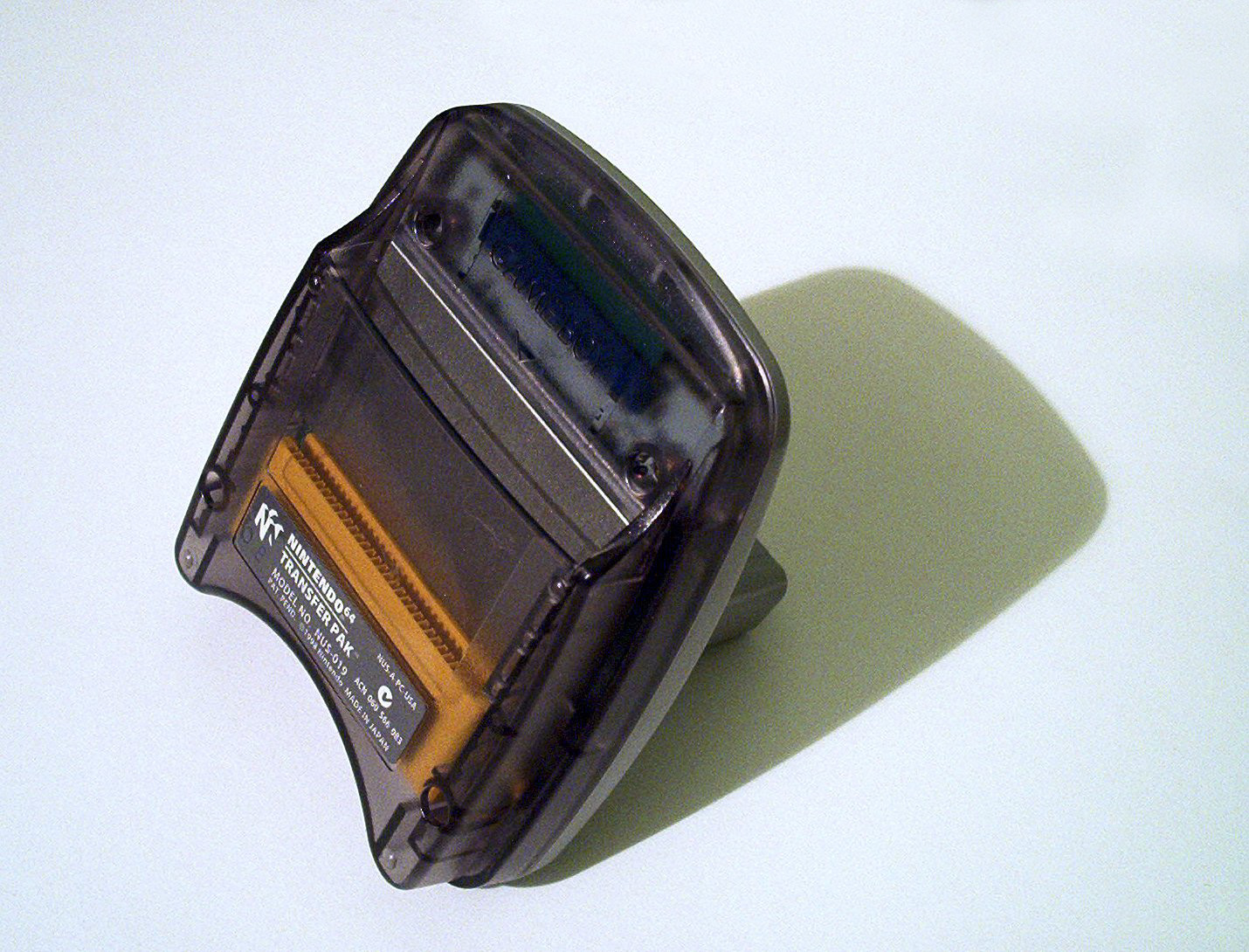
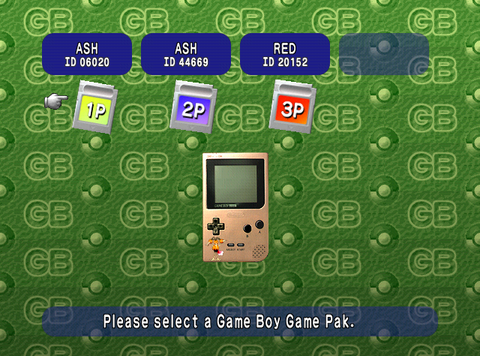
The Transfer Pak plugged into the N64 controller and held a Game Boy cartridge.

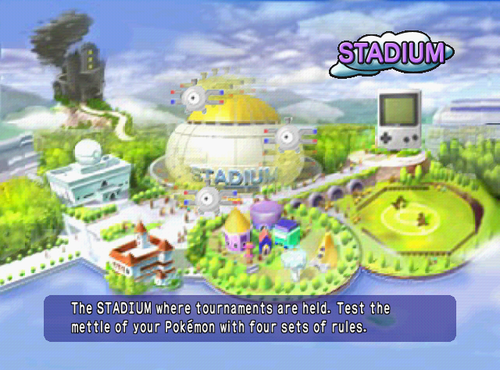
The Game Boy Tower was an emulator inside Pokémon Stadium, so the mips n64 could emulate 8080 sharp gbc games.
There are three levels of writing your own GBC games:
The author of rust-gb has a fork of cranelift, where they wanted to use cranelift:
Why not make my own? (really difficult)
Project: sangoku
Has a small fork (50 loc) of rust
fork of rustc’s backend that emits cranelift IR
fork of cranelift to optimize instructions for an 8-bit backend
Tedious optimization: core::fmt made the binary >
32kb
Had to remove panics with panic = "immediate-abort",
otherwise > 32kb
Functions that allocate, like sort would emit 90kb
of alloc/fmt code
Any unicode lookup functions (e.g to_lower) would use a lookup table and be 60kb
no multiply or divide, so you have to emulate in software
The Game boy has 4 channels, so you can roughly play 4 notes at a time